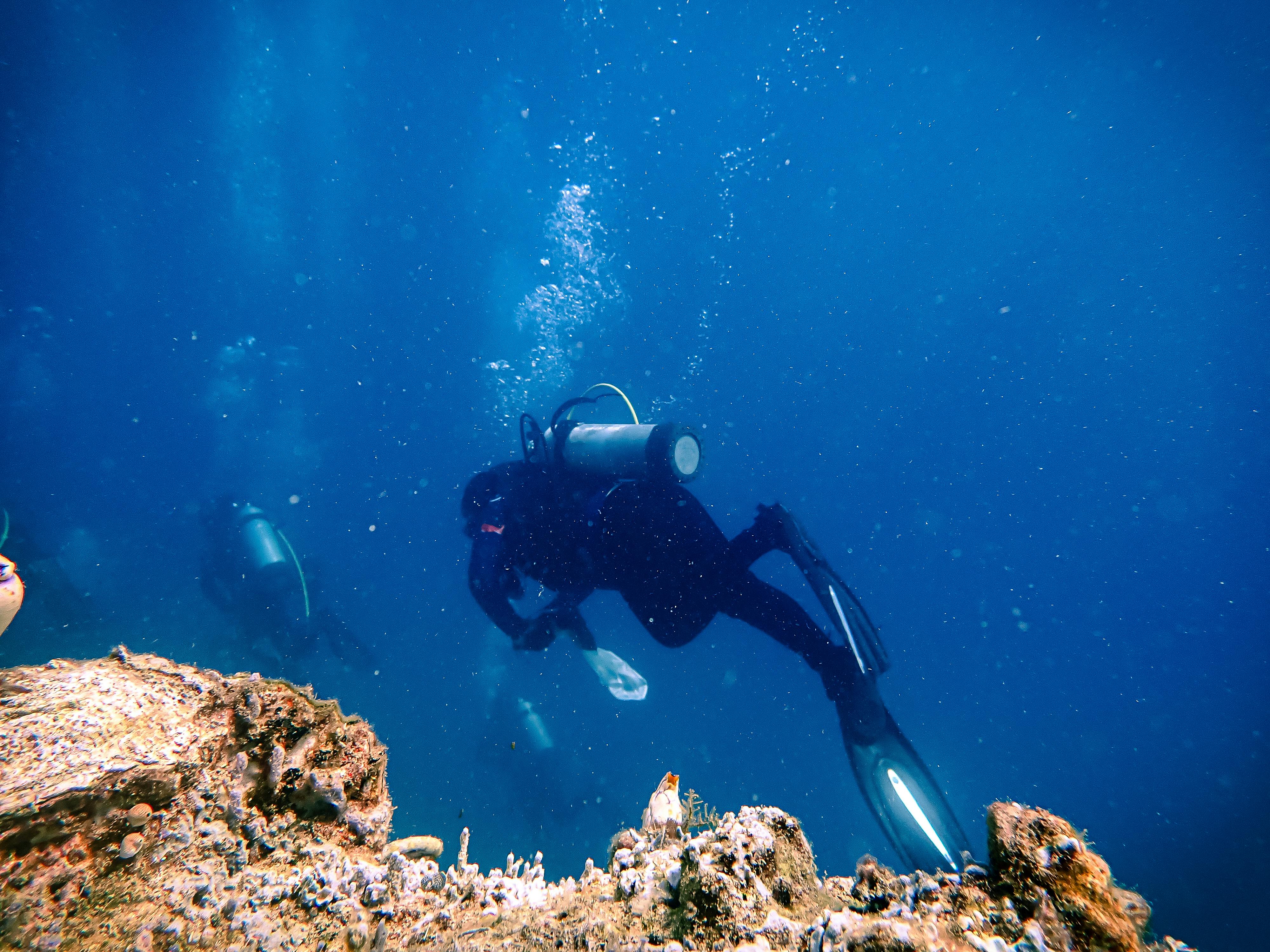
Mankind is killing the seas. That’s the message from David Attenborough’s new film Ocean, which has put bottom trawling in the crosshairs of environmental activists. So what? Bottom trawling and dredge fishing are among the most widespread methods of destructive fishing, but for decades they’ve been largely hidden from view. What has helped Ocean cut through - apart from Attenborough’s involvement - is rare footage that gives a fish-eye view of bottom trawling in action. The film has galvanised campaigners ahead of a UN summit on oceans next week. Drag. Bottom trawling involves pulling a heavy chain or metal beam…
Oil and gas producing companies are failing to report accurate figures for their greenhouse gas emissions (GHG). That’s according to a new study published by King’s Business School at King’s College London, for which researchers compared data observed from satellites and land, air and sea sensors, with emissions figures reported by companies themselves.
Identifying & prioritising sustainability risks can be challenging, particularly given the sheer volume of sustainability issues & regulatory demands faced by entities. Prioritisation is especially critical, considering the delicate nature of many sustainability concerns. But how exactly can one prioritise effectively?
UNDO, a world-leading carbon removal company, has won $5 million from the coveted XPRIZE Carbon Removal competition for its enhanced rock weathering solution with operations in Canada.
As the Paris Agreementʼs goal of limiting global warming to 1.5°C slips further and further out of reach, one might imagine that there would be increasingly urgent calls from the media and from politicians to accelerate progress towards reducing emissions and achieving net zero by 2050. Instead, Trumpʼs leaving the Paris Agreement on his first day in office was obscured by countless other executive orders, and last month Kemi Badenoch was able to abandon net zero by 2050 as an official Tory party policy with little backlash.
Key figures within the EU Plastic Recycling Industry and others have joined forces to raise alarm over the European Commission’s draft Clean Industrial State Aid Framework, citing a critical lack of support for circularity measures. The broad coalition of circular economy stakeholders, led by waste-sorting technology provider TOMRA, today calls on the European Commission to integrate provisions that support circularity measures under the draft Clean Industrial State Aid Framework (CISAF). Despite being recognised as one of the four pillars of the Clean Industrial Deal, circularity is notably absent from the CISAF’s core provisions.
Online shopping has woven its web into every nook and cranny of human consumption. India’s e-commerce market is expected to grow by 1000% and emissions will shoot up by 8 million tons by 2030 according to a 2022 study by Clean Mobility Collective (CMC) and Stand.earth Research Group (SRG). From bags to bagels, and iPhones to ice-cream, everything you could think of is just a click away thanks to India’s ultra-fast delivery apps. The likes of Zepto, Swiggy and Zomato are dominating ‘last-mile’ deliveries across India, making essential and luxuries available in under 10 minutes.
The EU’s Omnibus Proposals aim to amend its sustainability framework – notably the Corporate Sustainability Due Diligence Directive (CSDDD) and Corporate Sustainability Reporting Directive (CSRD). However, rather than clarifying uncertainties and harmonising laws as intended, in practice, the debate over the impact of the Proposals has introduced further confusion. In this article we discuss why, whatever the future of the Omnibus Proposals - companies operating in the EU and the UK should not ease up on ESG compliance programmes.
On the shores of Bali, local fishermen used to pull in their daily catch only to find their nets tangled with plastic waste. What was once a pristine marine ecosystem had become a dumping ground for pollution. This growing crisis spurred the creation of startups like Seven Clean Seas, which set out to remove plastic from oceans and build a sustainable future. Across Southeast Asia, similar green startups are emerging, driven by the urgent need to tackle environmental challenges. With strong government backing, increasing investor interest and a market eager for sustainable solutions, these businesses are reshaping industries and pushing…
By curating the very best environmental projects the world has to offer, Eden Foundation aims to restore trust in funding the restoration projects that we cannot afford to ignore, maximise the potential that every pound of private finance has to address these crucial issues, and do so without absolving ourselves of responsibility for past failings. These are our core principles, our Principles of Governance.